Hull & Horizon
Context
Hull & Horizon is a two-phase interactive experience built for V&A Dundee's Scottish Design Gallery, centred around the half-hull plating model of the RMS Queen Mary. The brief was to create a game that lets museum visitors build an experience around a real exhibit object — engaging a wide audience, including people with no prior game literacy.
I was the Lead Game Designer, with my primary focus on Systems & Gameplay. I designed the full game flow, the ship customisation system, the water tank testing cinematics, and a modular dialogue system for the exploration phase. I also stepped into a production role — coordinating the team's sprint milestones — and took the lead on lighting and environment polish across both phases. As Lead Game Designer I owned all design documentation from GDD to post-playtest analysis.
The biggest design constraint was the audience: we couldn't assume any game knowledge, any familiarity with shipbuilding, and we had to make the entire core experience land within 5 minutes. Every design decision came back to that.
Gameplay Overview
Key Accomplishments & Skills
Systems & Game Flow Design
Designed the full game flow from start to finish across 2 interconnected phases, and owned the ship customisation system — hull selection, materials, propeller, engine and fuel — ensuring each choice had a meaningful effect on speed and stability bars grounded in real historical research.
Sequencer & Cinematic Design
Created 9 gameplay-integrated cinematic sequences for the water tank testing phase, a narrative bridge cinematic between phases, and an endgame sequence — all built in UE5 Sequencer. Also composed the audio for the ship launch cinematic in FL Studio.
Client-Facing Production
Worked directly with V&A Dundee as our client, presenting weekly, adapting the design to their feedback, and coordinating the team's sprint milestones. Delivered a product the client was happy with and that the tutors described as exceeding expectations.
The Two-Phase Design Problem
Result: Two very different gameplay phases — customisation and exploration — that feel narratively connected and don't break the player's sense of continuity.
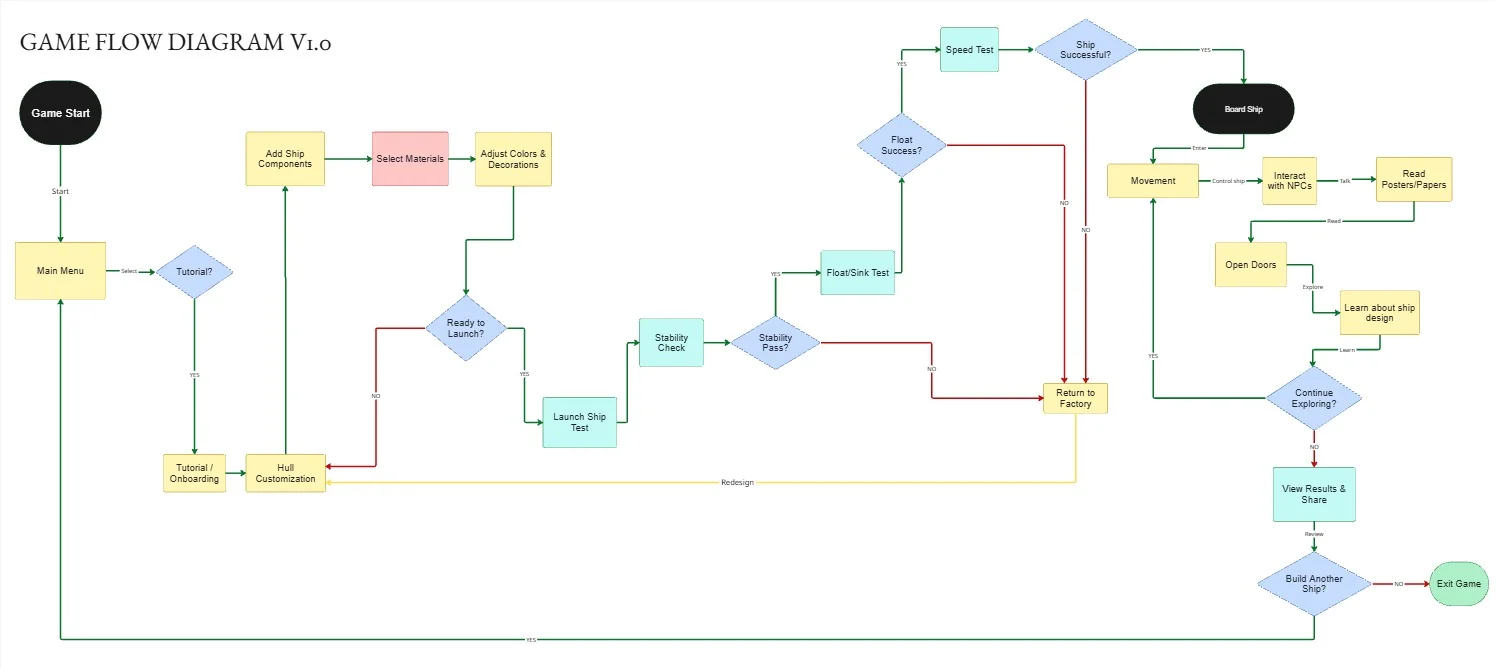
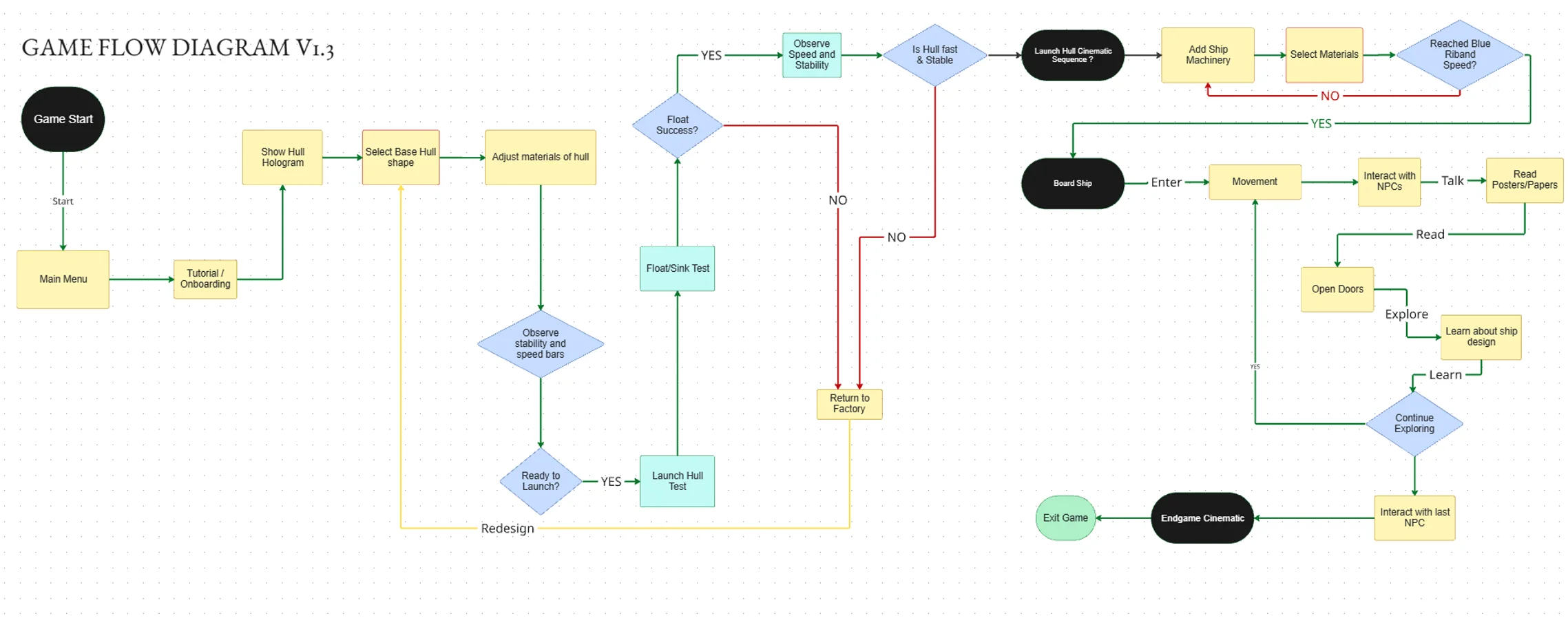
Intention: A 2-phase structure covering ship building and first-person ship exploration was inherently at risk of feeling disconnected, both gameplay-wise and tonally. The ship launch cinematic was designed specifically to bridge that gap.
Process: Designed the game flow diagram early and restructured it after historical research confirmed the authentic sequence of 1930s shipbuilding. The team agreed on the flow in week 3 and stuck to it with only minor changes through to the end — which is unusual for a 12-week project of this scope.


Ship Customisation System
Result: A customisation system where hull shape, material, propeller, engine, and fuel type each affect the ship's speed and stability bars — grounded in authentic 1930s shipbuilding research, and designed to teach the player why each component matters while they play.
Intention: The client required historical accuracy. I needed to translate complex engineering into a system a non-gamer could understand in under a minute, without dumbing it down to the point of losing educational value.
Process: Researched the Queen Mary's actual components in depth — hull materials, boiler types, propeller specifications, fuel types and their weight-to-speed implications. Worked closely with the programmer to implement the speed and stability bar interactions, and added the Blue Riband speed indicator as a gameplay goal that also served as the progression gate into Phase 2. The sequence of customisation choices mirrors the real 1930s fitting-out order — hull before machinery, machinery before fuel — so the player learns the authentic process through playing rather than through reading. Early iteration was done through rapid in-engine prototyping and direct value tuning rather than paper methods. In hindsight, sketching balance values and system interactions on paper before implementation would have caught some friction points earlier — something I'd build into my process on future projects.
Cinematic Design & Sequencer

Result: 9 water tank testing sequences (one per hull/material combination), a ship launch cinematic, and an endgame sequence — all built in UE5 Sequencer, serving both gameplay and narrative functions.
Intention: The water tank testing sequences had to answer one question for the player: how efficient is your hull? The launch cinematic had to bridge two completely different gameplay phases without the player feeling like they had been dropped into a different game.
Process: Initially attempted actual fluid simulation and buoyancy for the tank tests — abandoned after realising it was beyond my technical scope. Pivoted to linear Sequencer sequences that communicated the same information more clearly. For the launch cinematic, researched 1930s film techniques, camera composition, and lighting to ground the visual feel in the era. Composed the audio in FL Studio using BBC library sound assets.

Dialogue System
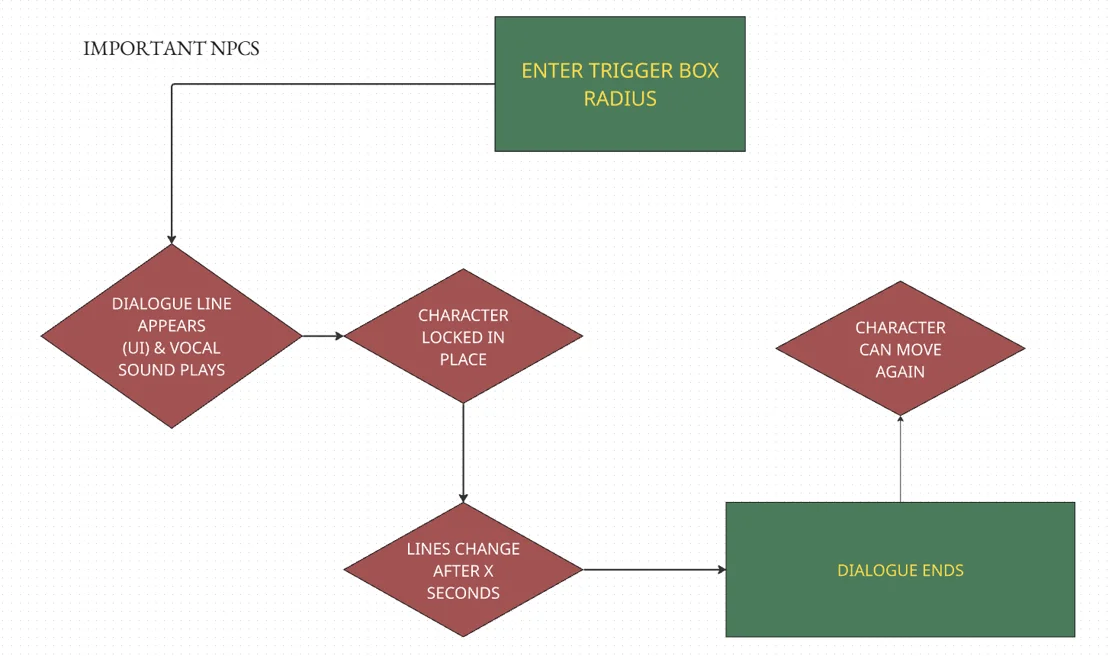
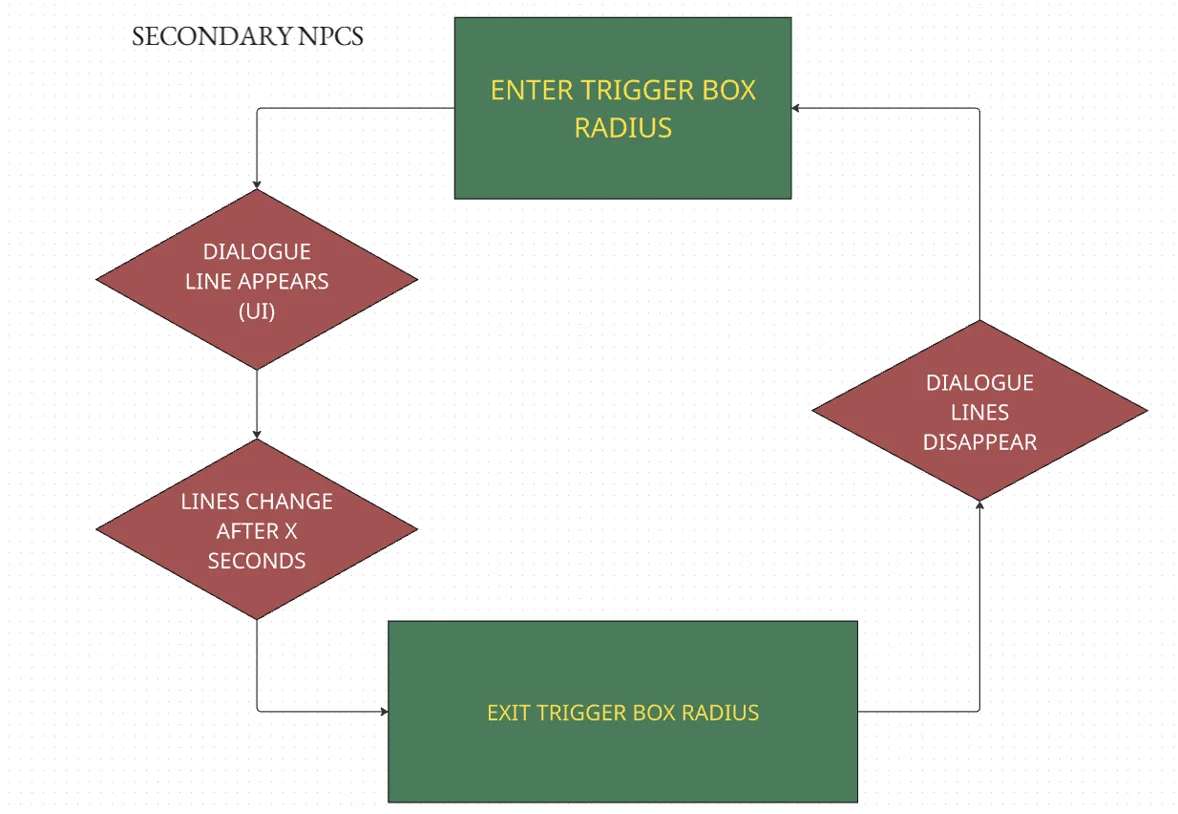
Result: A modular dialogue system covering 7+ NPCs across the exploration phase, built so adding new characters or editing lines required only changing text variables in a single Blueprint.
Intention: Without voice actors, the system needed to communicate character and historical information clearly through text alone, without breaking player flow.
Process: Split NPCs into two categories — Important and Secondary. Important NPCs lock the player in place during dialogue to prevent them missing key historical information. Secondary NPCs allow the player to re-trigger and revisit their lines freely. Built the system in one Blueprint using text variables and a SetText function with timed delays, then duplicated it for every character — only changing the text per character.
Lighting & Environment Polish
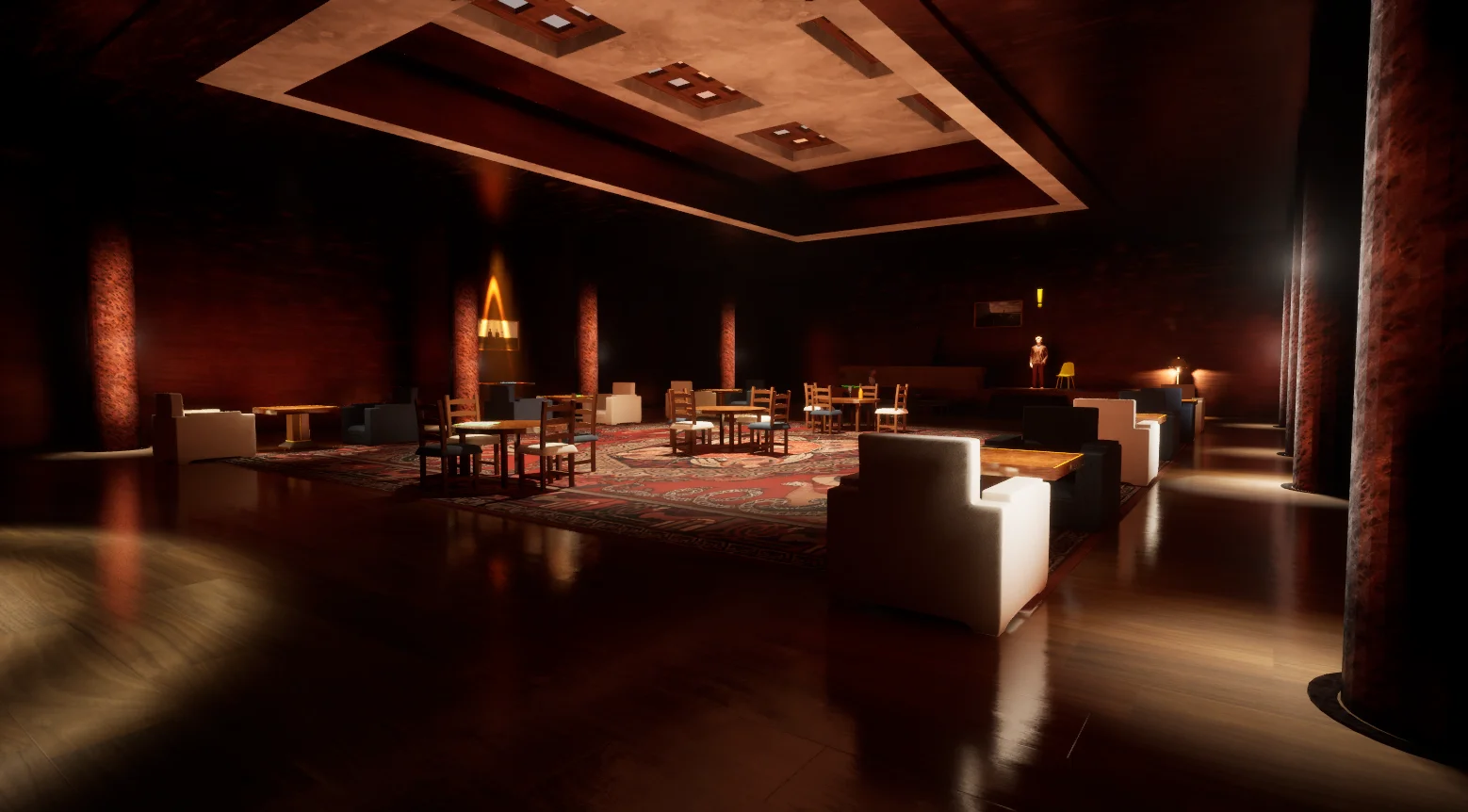
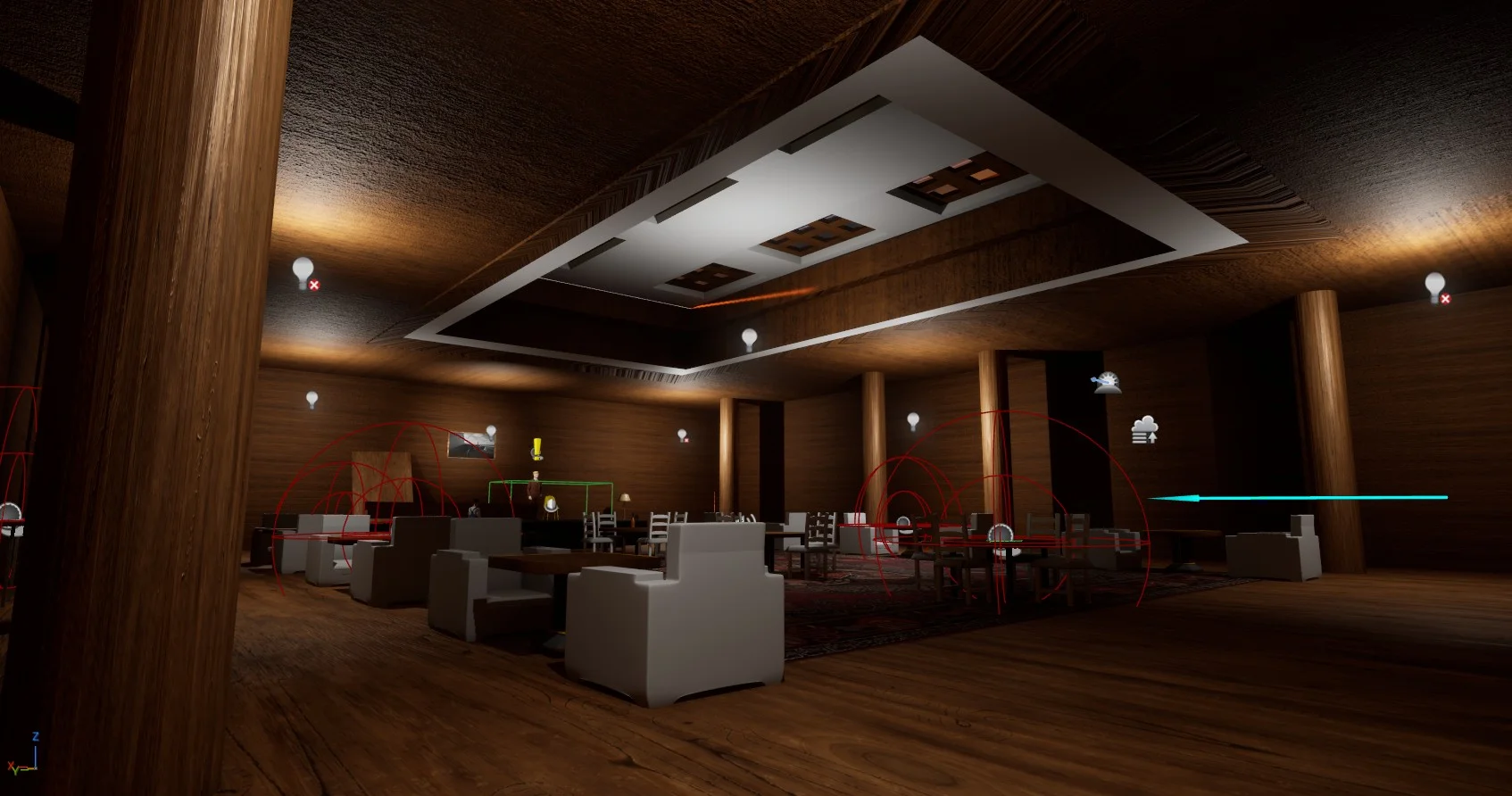
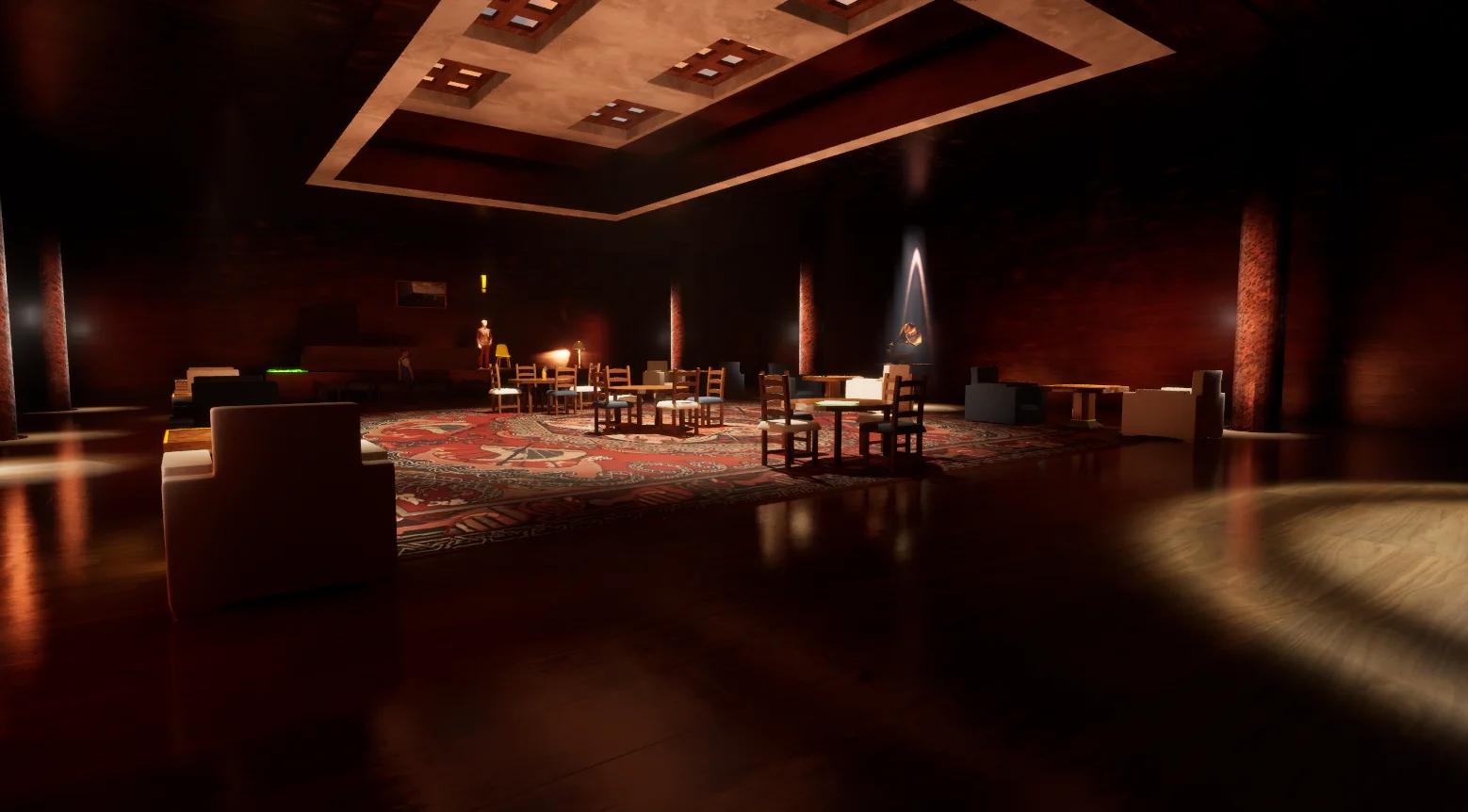
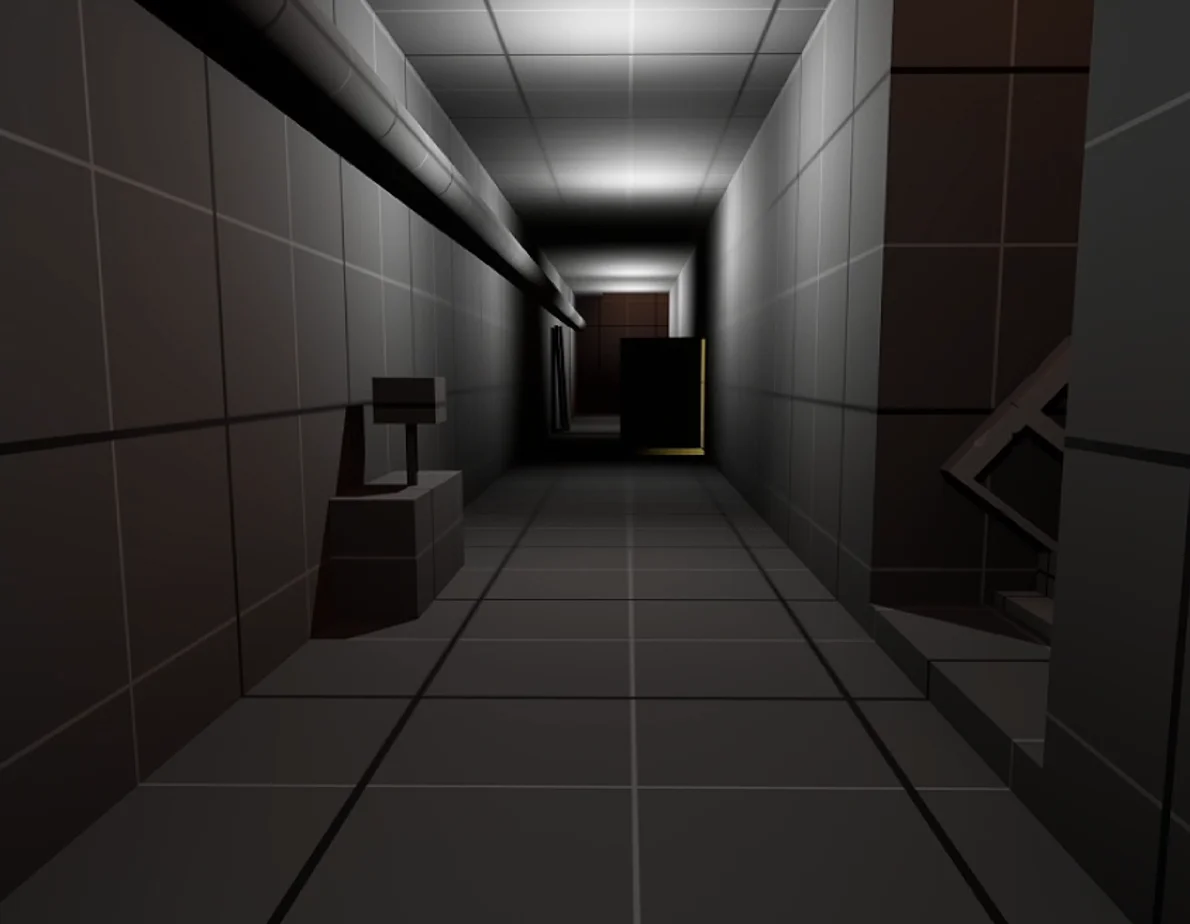
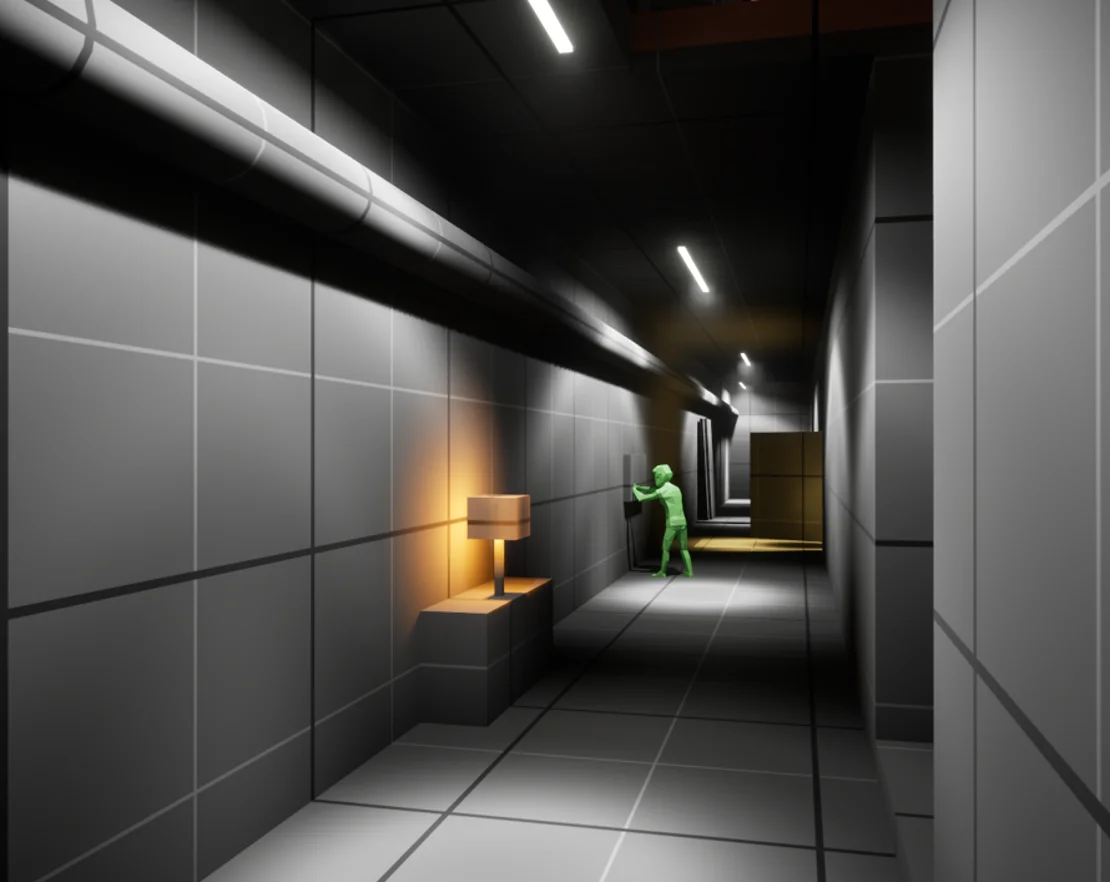
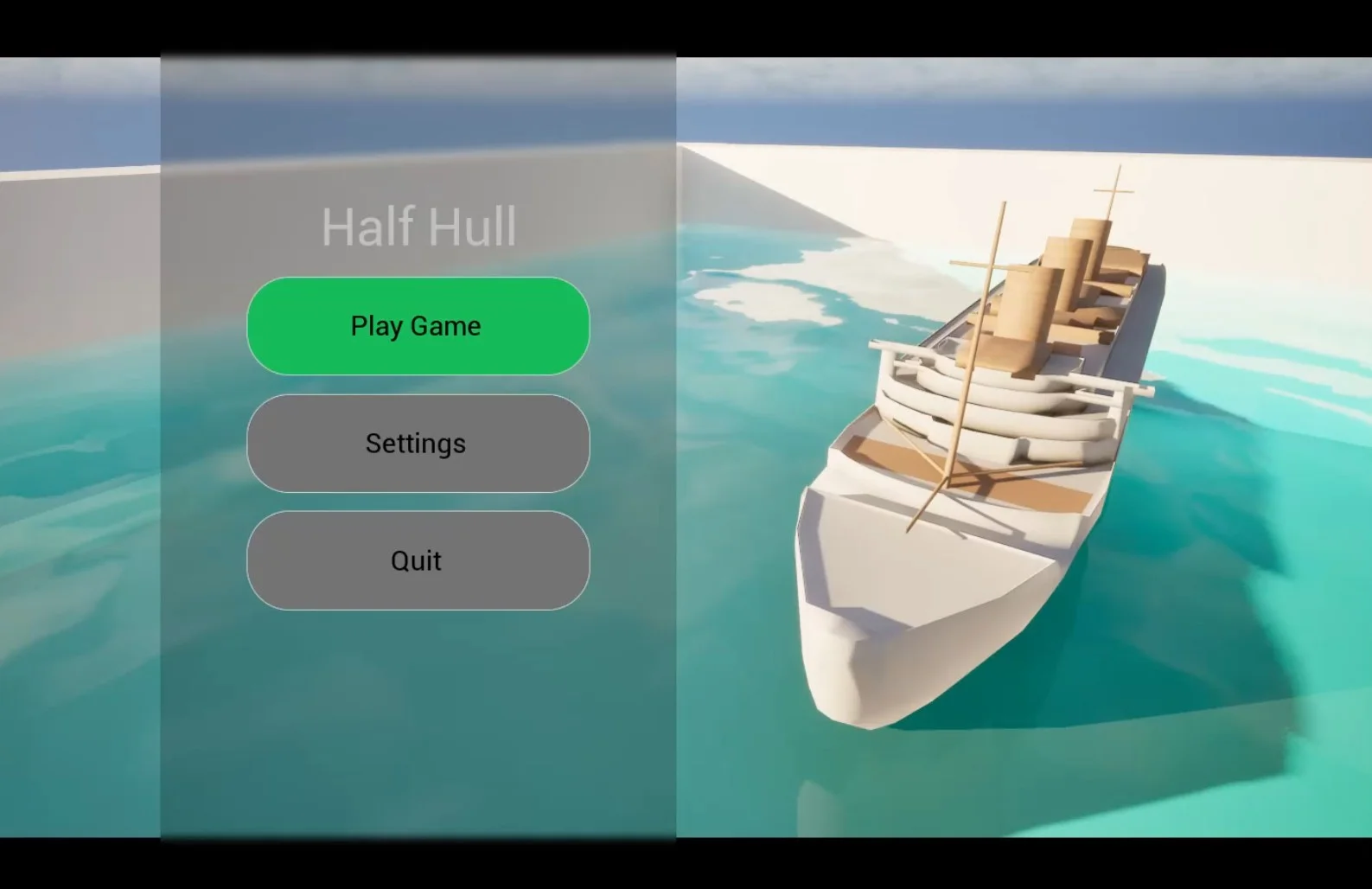
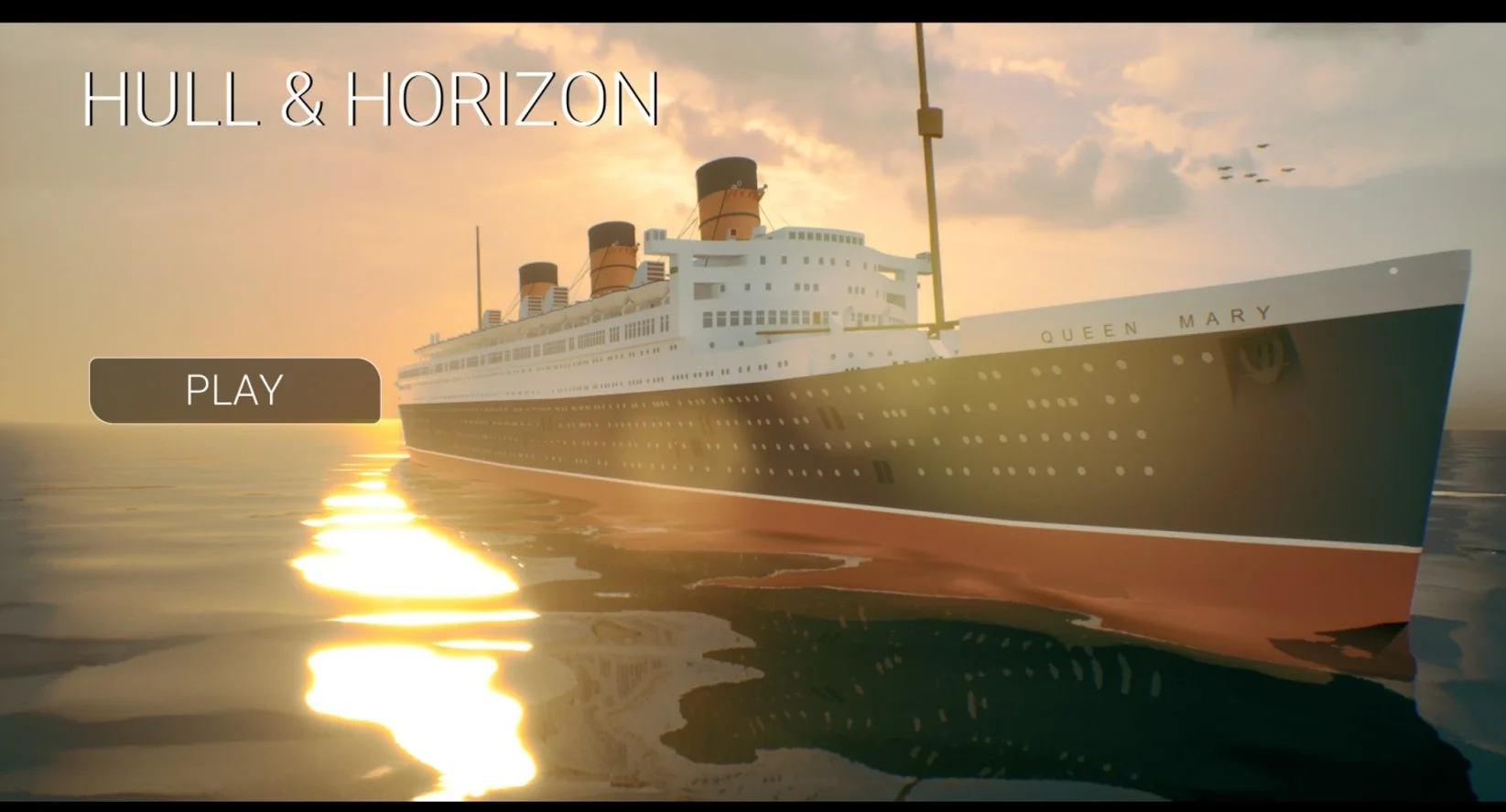
Result: A visually distinctive Phase 1 environment and a significantly elevated Phase 2 ship interior, with before/after lighting passes across the hallway, lounge, and main menu.
Intention: With one 3D artist at capacity on character and custom models, I took the lead on environment lighting and material polish to bring the visuals up to a standard the team was proud of.
Process: Researched lighting techniques, colour grading and film aesthetics to inform each pass. Phase 1 used deliberate emptiness — a vast dark industrial space with focused lighting on gameplay elements — to keep wide-audience players focused on their task. Phase 2 involved complete lighting refactors of the hallway and lounge, plus Megascans material sourcing. The lounge in particular went through a full material and lighting overhaul.
Development Realities
Designing for Zero Game Literacy
Our audience included people who had never held a controller. That meant no assumed game language, no text-heavy tutorials, and visual language doing all the work. The Phase 1 environment was deliberately empty — the player's task needed to be the only thing in the room.
5-Minute Core Experience
The experience had to be meaningful within 5 minutes for walk-up museum visitors. Every system had to justify its existence in terms of that constraint — anything that added friction without adding clarity got cut.
Client Accuracy Requirements
V&A required historical authenticity throughout. Every component in the customisation system — hull materials, engine types, propeller specifications — was researched against real Queen Mary documentation and had to be technically accurate, not just plausible.
We were worried about the scope of the project, but you proved us wrong and we are very happy about that. Keep proving us wrong.
Additional Contributions
Beyond systems design and cinematics, I contributed to:
- Production coordination — organised sprint milestones and key objectives across the 5-person team throughout the 12-week project.
- Audio design — composed and mixed the ship launch cinematic soundtrack in FL Studio using BBC library assets.
- Documentation & User Research — wrote the full Game Design Document for the project, covering the core loop, system specifications, game flow, audience analysis, and design rationale. Also produced the user research planning document, testing plan, and processed findings report.
- Weekly presentations — presented to V&A and university staff almost every Thursday, adapting the pitch to both specialist and non-specialist audiences.